

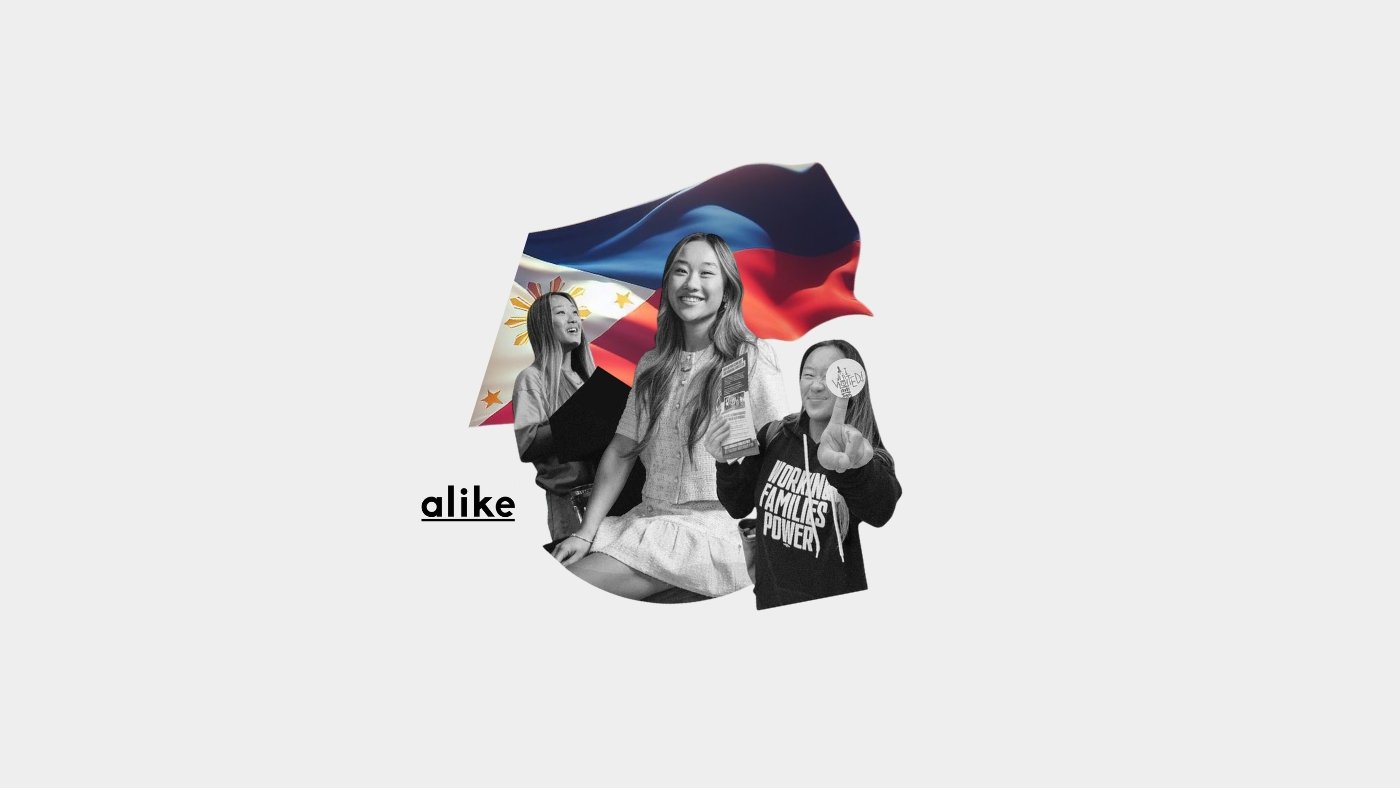
For years, elections in the Philippines have left many Filipinos discouraged. Time and again, unqualified candidates rose to power, lifted not by merit, but by name recall, social media popularity, and disinformation. For younger generations, the frustration hit close to home. They saw their own families swayed by falsehoods, their futures shaped by choices made without discernment.
But instead of turning away, they chose to engage.
Millennials and Gen Zs—now making up nearly 60% of the voting population—are stepping into their roles as active citizens. With access to information and a growing sense of responsibility, they’re reshaping how elections are viewed and how votes are cast. They ask questions, cross-check facts, and vote with intention. More importantly, they spark conversations within their families and communities, challenging outdated perspectives with quiet conviction.
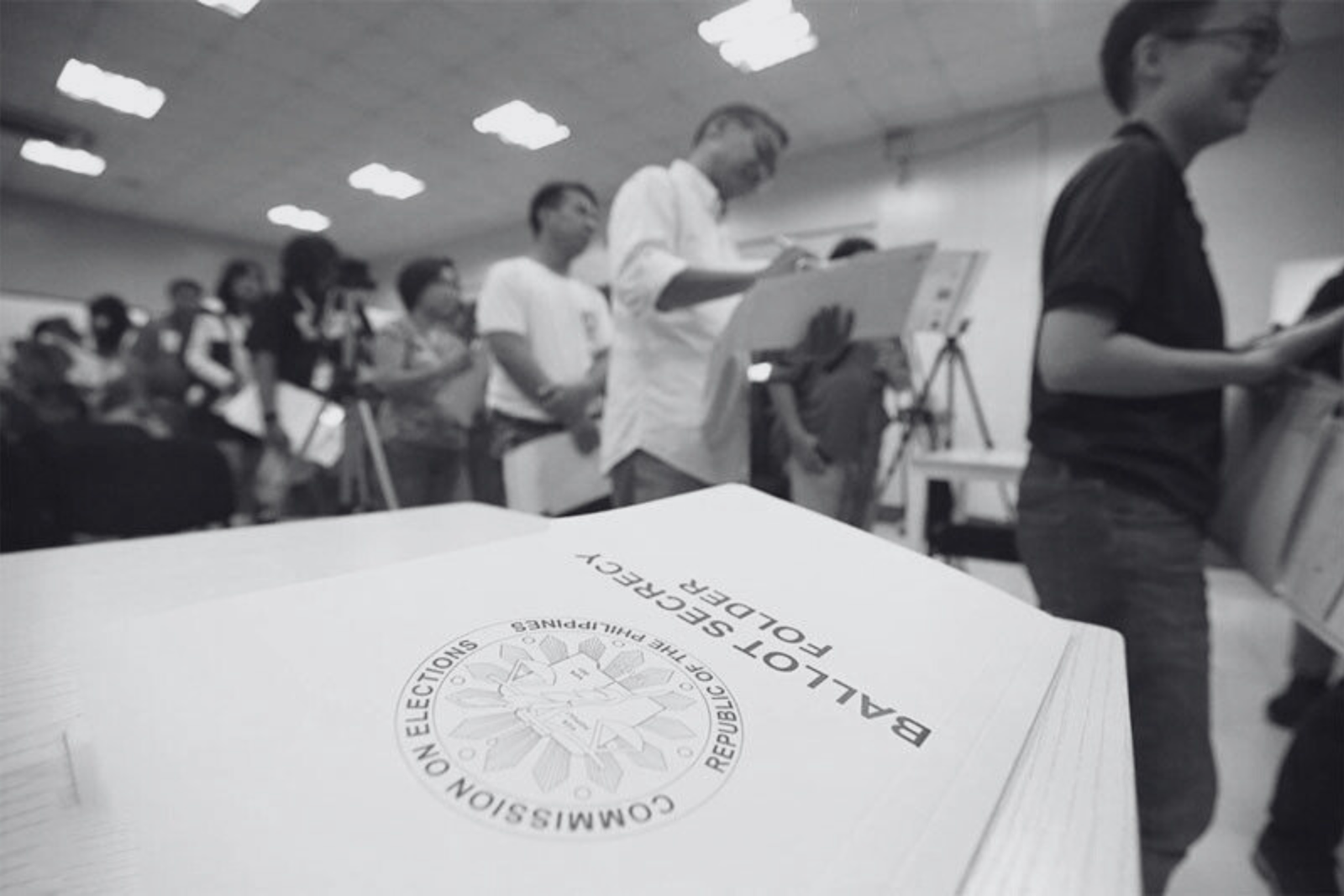
This shift is already making a difference. In recent elections, we’ve seen candidates with strong track records but little political machinery gain meaningful support through grassroots organizing and digital advocacy. What once seemed like youthful idealism is now a force that is organized, strategic, and deeply values-driven.
These voters aren’t fueled by resentment. They’re moved by a desire to do better, and to demand better. They’ve seen the consequences of political apathy and misinformation. Now, they’re choosing to be part of the solution: educating others, joining campaigns, and participating in civic initiatives that aim to build a more informed electorate.
The upcoming elections are more than a race between names. They’re a reflection of a generation coming into its own. Their energy is not only shaping their own future, but also inspiring older generations to rethink their views, unlearn old habits, and embrace new ways of engaging with democracy.
Of course, the road ahead won’t be easy. Systemic issues like vote-buying, disinformation, and political dynasties remain deeply embedded in our electoral system. But what’s changing is the refusal to accept these as the norm. More and more young Filipinos are choosing to confront these challenges with action, not apathy.
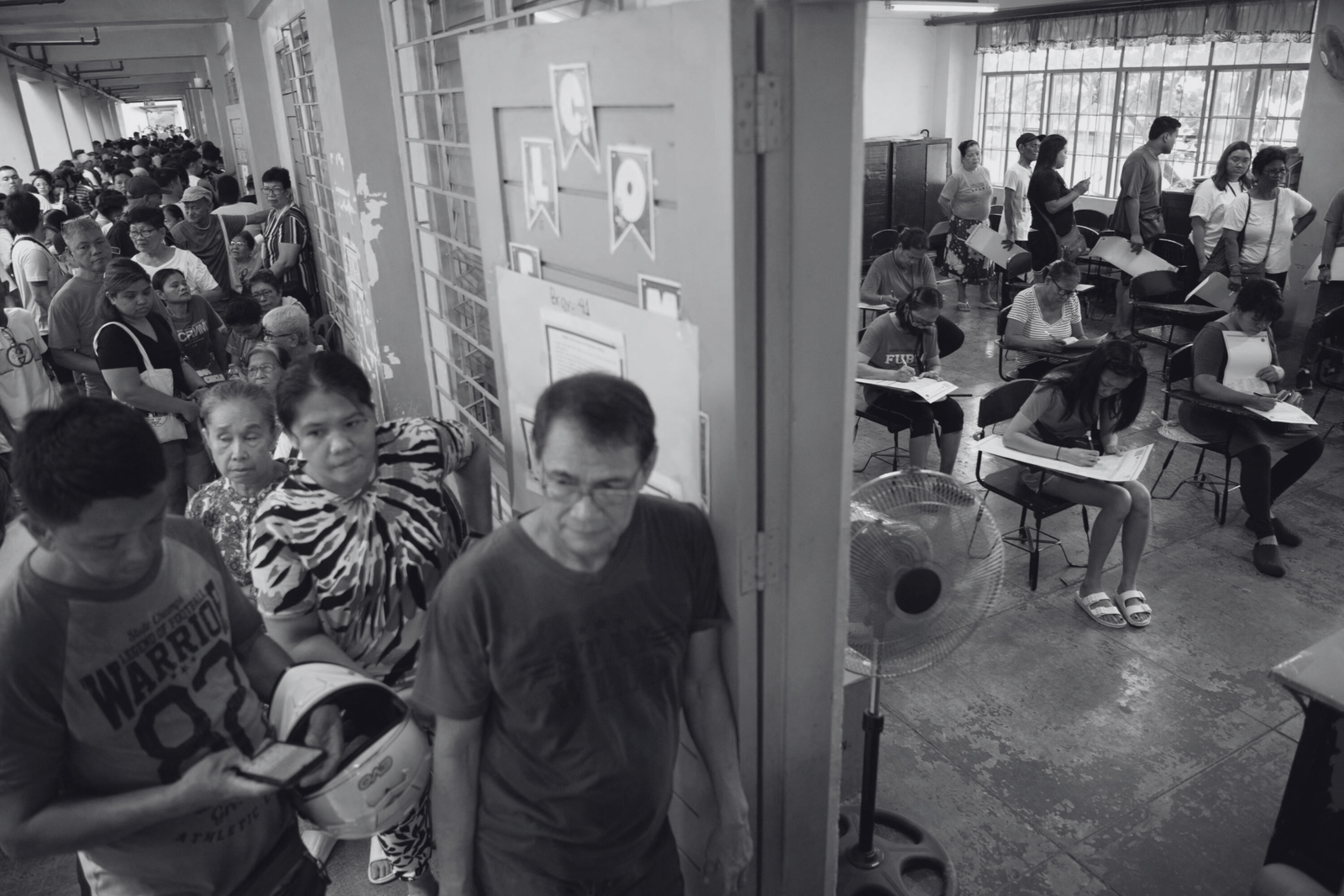
This movement isn’t loud or flashy. It’s in the small, consistent efforts: a message thread encouraging voter registration, a dinner table discussion about platforms, a post debunking a viral lie. Change begins in these quiet moments—and it builds.
They’re not waiting for permission. They’re not looking for praise. They’re doing what they believe is right — for their families, for their communities, and for a country they still believe in.
Because democracy is more than a day at the polls. It’s a habit. a commitment. a belief that the Philippines can be better, and that we all have a role to play in making it so.
To the next generation of Filipino voters: thank you for showing us that hope doesn’t always come in grand gestures. Sometimes, it begins with a vote, and the unwavering belief that our country is still worth fighting for.

Alike was created to inspire, built on society and storytelling — it’s curating the best features of the country’s brightest luminaries, orchestrating events catered towards the country’s top, to showcasing the finest gems in art, lifestyle, and culture.
Alike is the next generation, the movers, the shakers of today.
We are Alike.


