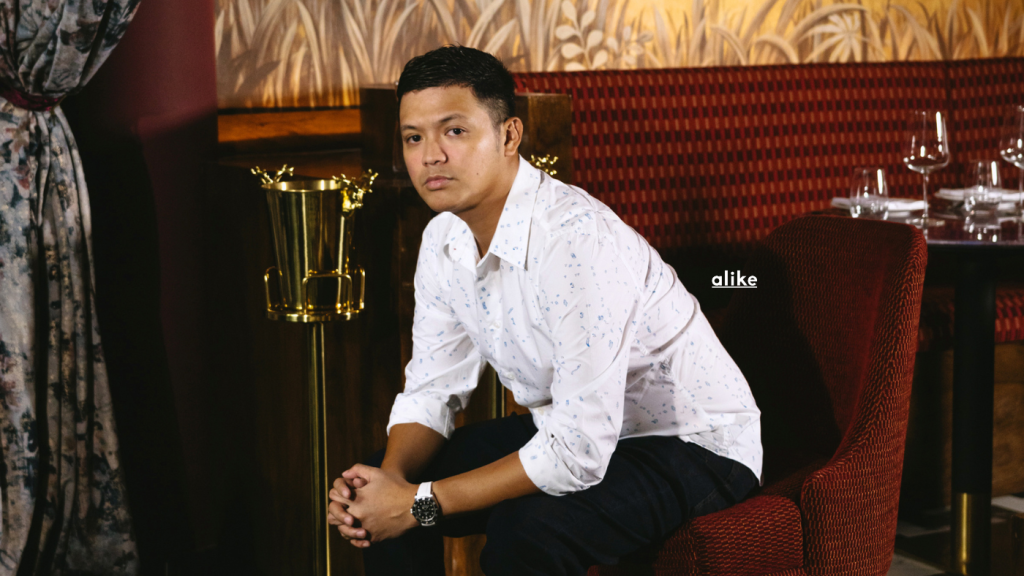

Ralph Lim is sometimes a man of few words. “Sometimes” because when the recorder or camera is on, he’s more reserved. “I’m not really used to the,” he pauses, “glamor of it all. It was actually my brother who convinced me to take this interview and shoot.”
But for him, it’s all in a day’s work, just one of the necessary tasks to fulfill his primary goals: “I’m learning that facing the public, being the public face of a company is part and parcel of the business.”
Actions speak louder
Lim spent his childhood summers in Bohol while studying in Manila, finishing with a Business Management degree in De La Salle University. He recalls how his parents’ conversations were always bursting with ideas: business ideas, new ways of doing familiar things.
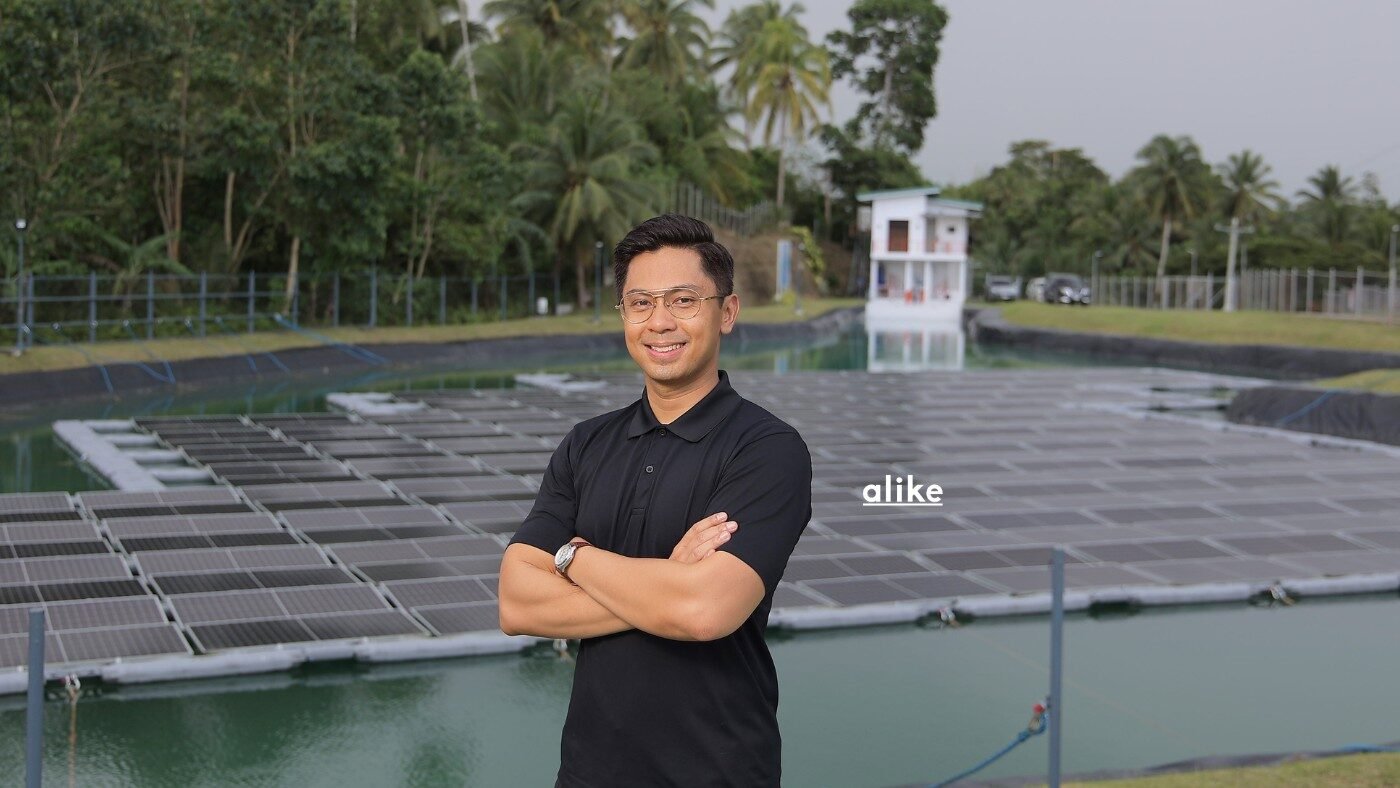
Today, he and his wife are based in Manila and Bohol, while managing and helping the family businesses: Richli Water Incorporated (RWI), Loctob Water Incorporated (LWI), Artemis Salt Corporation (ASC) and Artemis Construction Corporation (ACC). Also, he and his three brothers are behind Starport Trading Corporation and Buildmart.ph, a cement trading company and an online platform for construction materials, respectively.
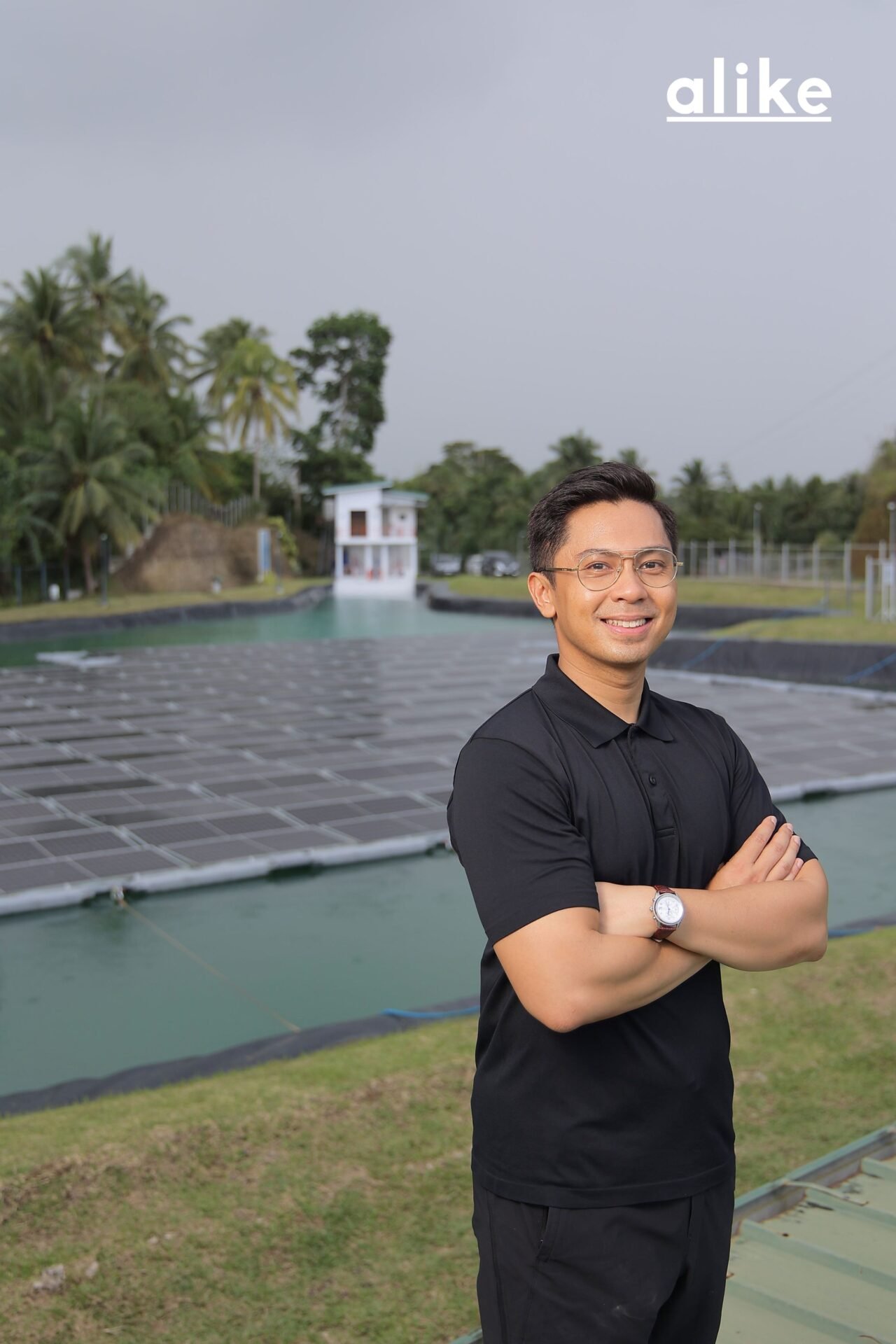
He finds solace in the steady progress of gym training and playing golf. He hopes to one day return to hobbies from his younger days, such as cars.
He is slow and deliberate with his speech. And while he may use words like “hard” and “difficult” to describe his work, one does not see a trace of complaint in his eyes.
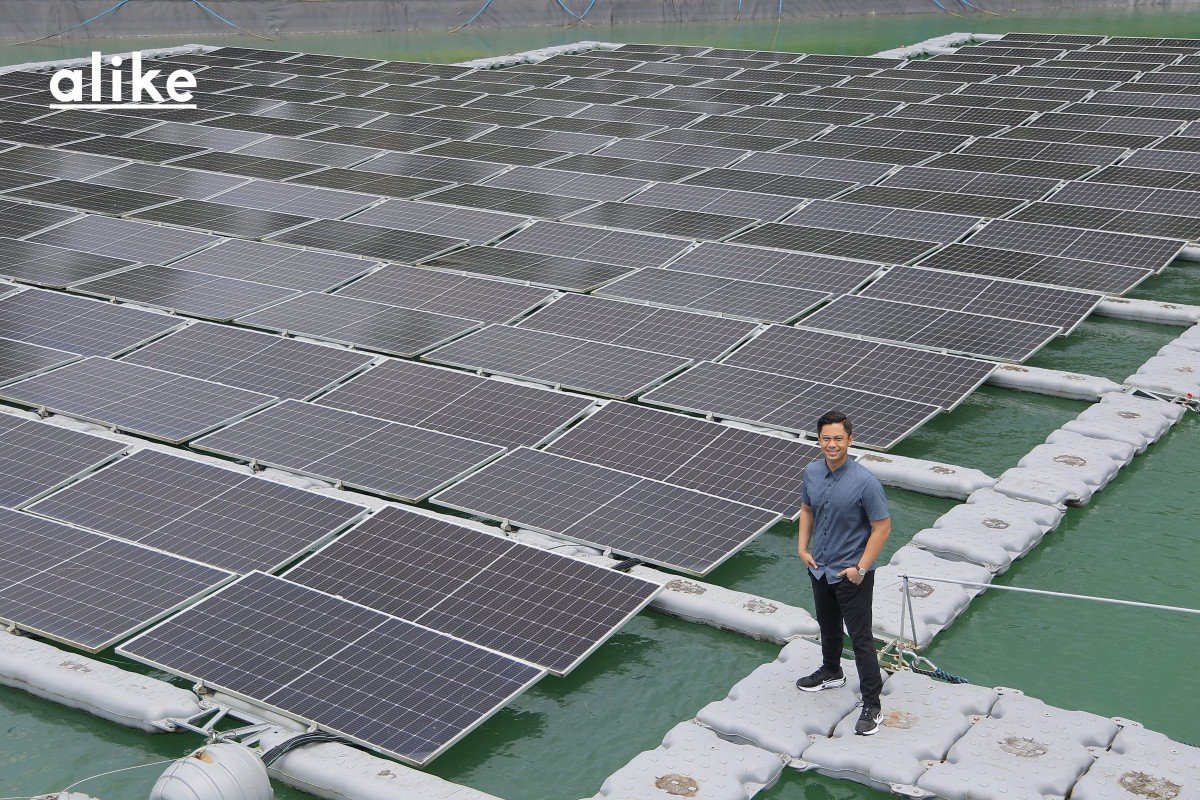
That’s because Lim would rather be in the proverbial trenches. While bantering lightly and easygoing in his Alike shoot in Bohol, he’s a different man in the office. A long-time basketball fan, he cites Kobe Bryant’s Mamba Mentality as a guiding principle.
The sights in the Manila office confirm this ethos: towering piles of parcels and boxes, all cling wrapped with packing tape with delivery addresses all around the Visayas region. Workers nudge and weave through this cardboard jungle. Lim’s father passes by and father and son say Hi to each other, all smiles.
“To be frank, we made mistakes,” he shares, “what matters is that we learned from each one.” It started with salt production in Ubay, Bohol. My parents developed a huge property and turned it into a salt field. Profits really fluctuated depending on the season. “For six months,” he recalls, the business made around 100,000 sacks of salt, “and when the rains came, it dwindled to a yield of 5,000 sacks. My dad then decided to shift to salt importation instead and was very successful.”
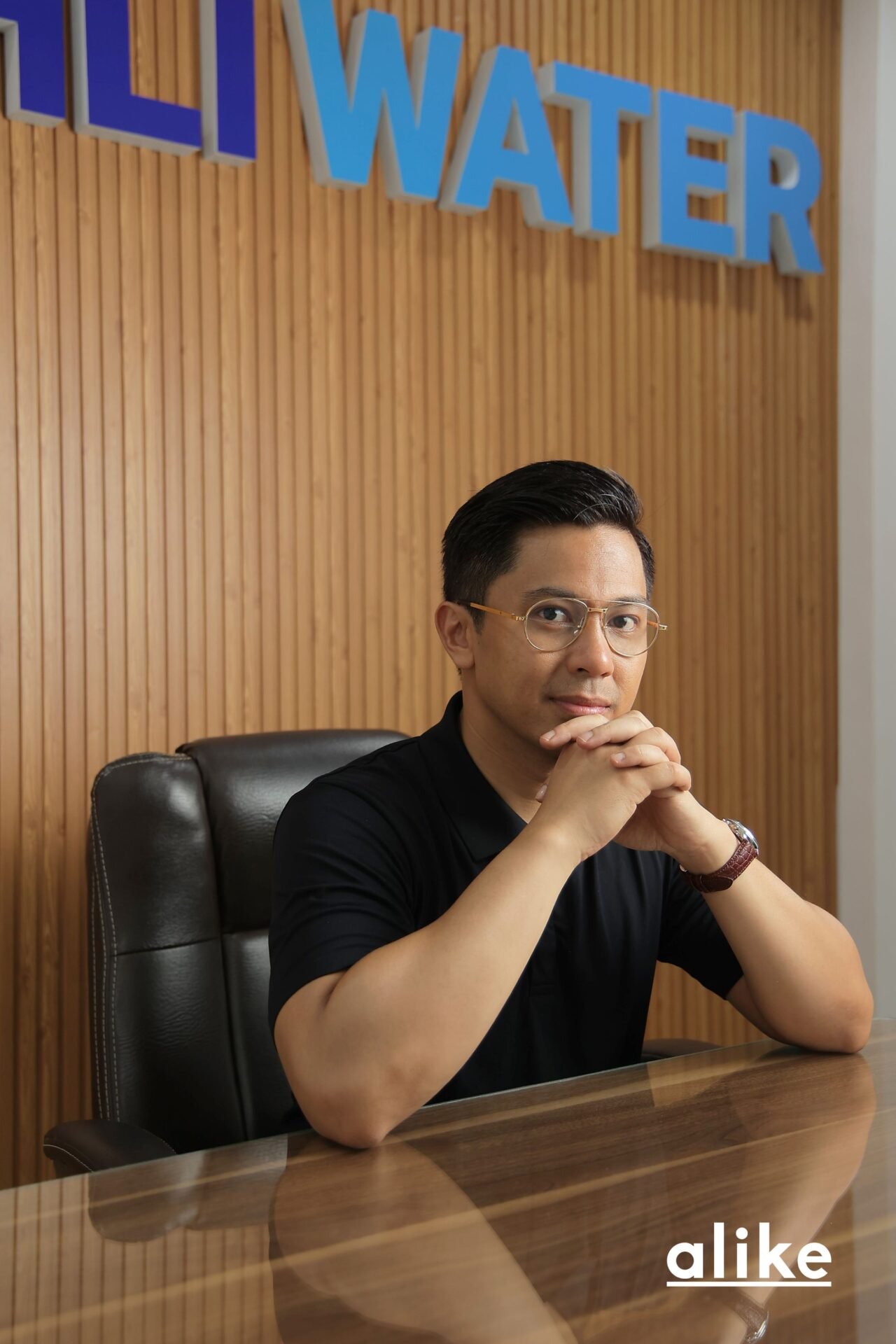
Lessons from the earth
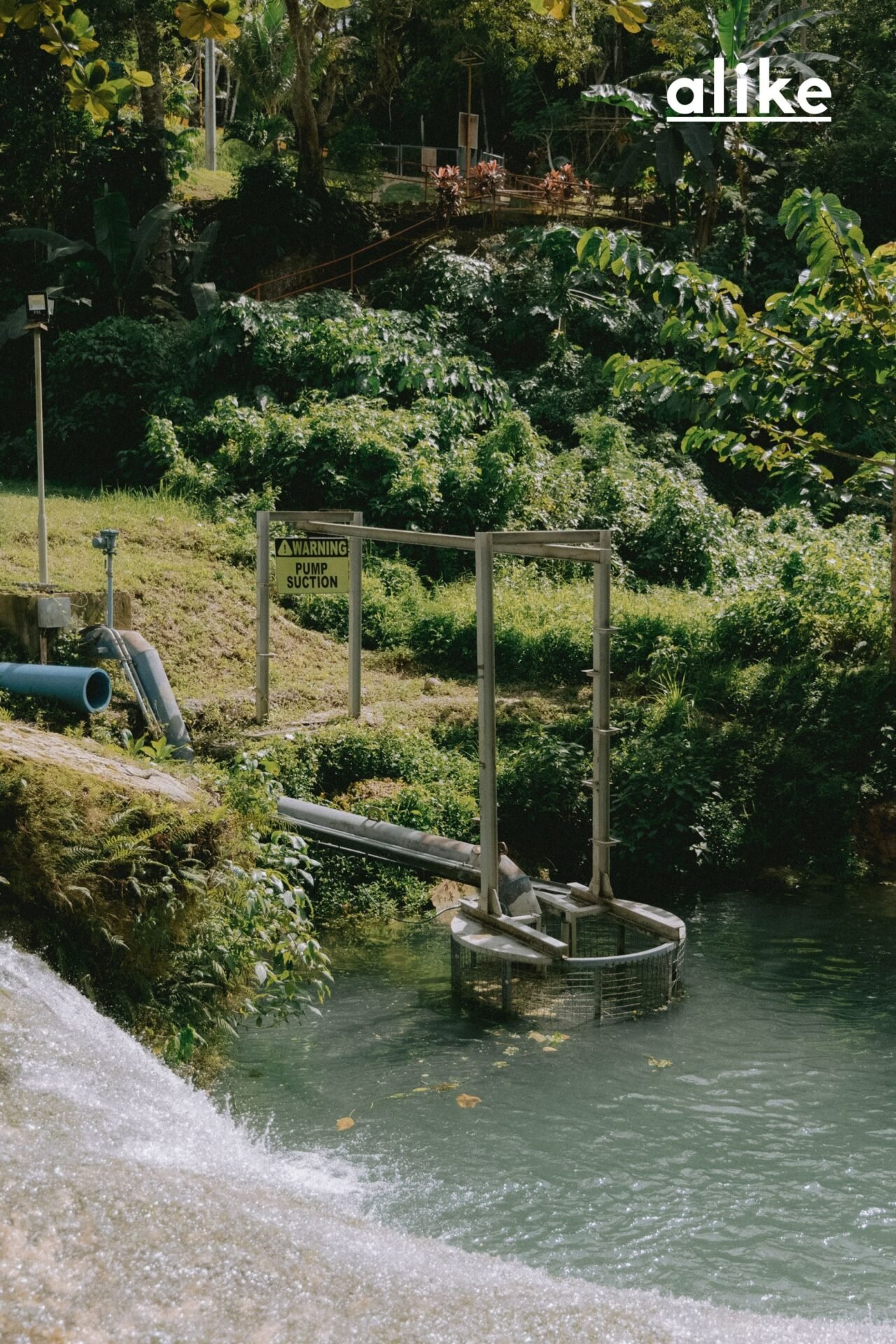
At this point, as the talk shifts from him to the ins-and-outs of running a water utility company, the entrepreneur’s enthusiasm begins to show, a gleam in his eyes, urgency in his voice, speaking faster: “We must learn to value safe and sustainable water supply and sanitation systems. So many Filipinos don’t have access to clean water supply. And people get sick due to poor water quality and/or the lack of proper sanitation.”
While Lim did enjoy working in the hospitality and tourism industry during his younger years, shifting to the nitty-gritty water utility business developed his perspective as a leader. At first “I had to be a sponge, observing how our engineers conducted operations, learning from them” but as he learned the ropes, the theory from business school came through “when people turned to me to strategize, to make executive decisions.”
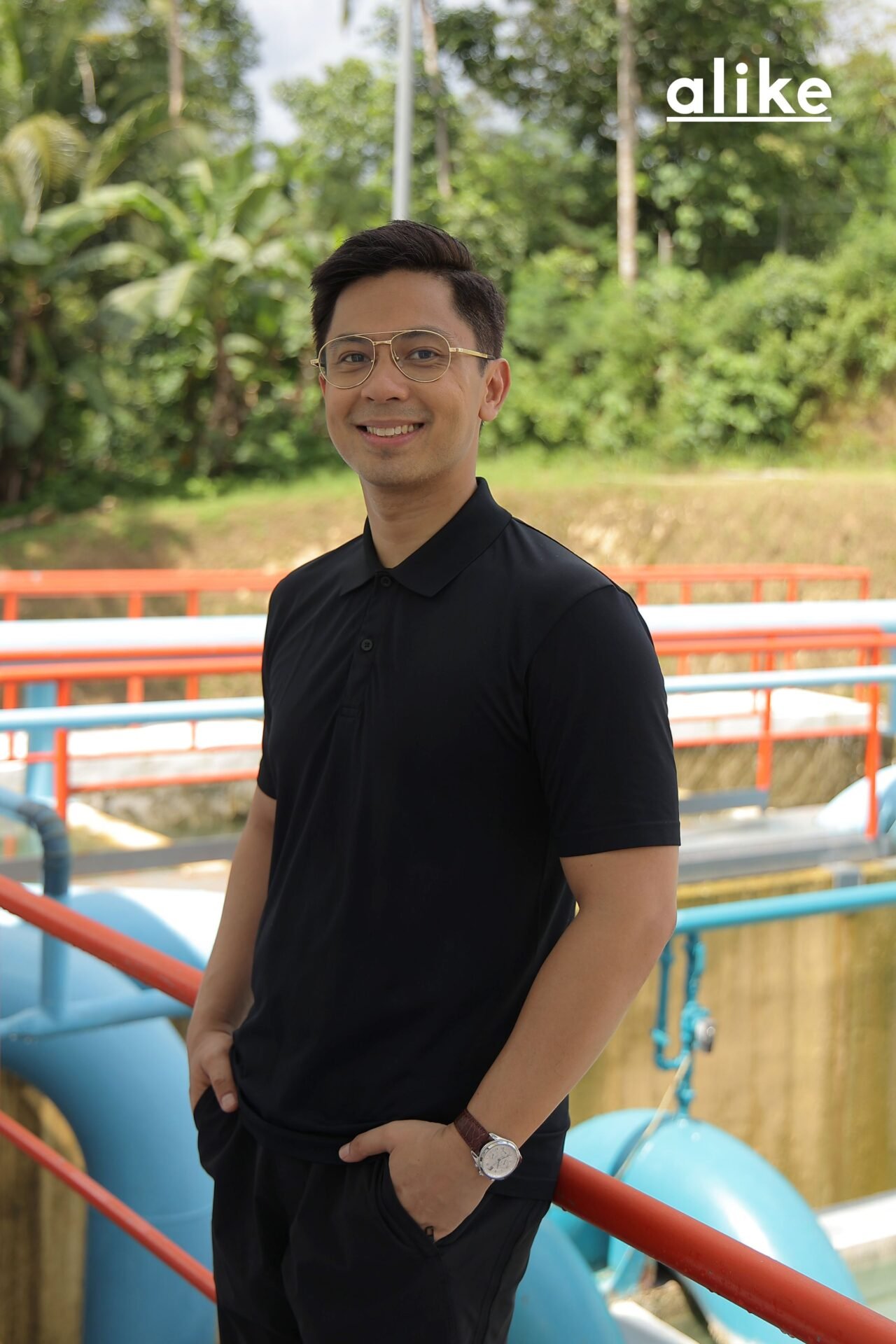
More importantly, his leadership style focuses on grounding employees in how they contribute not just to the company’s bottom line but to Bohol’s prosperity. “We try to hire the best and brightest local minds,” Lim pauses, continuing, “and it makes us happy when they realize their hometowns are improving thanks to the work they do.”
Today, Lim shares that local governments from other regions, like Negros and Mindanao, have wrote to him asking for water supply investments and infrastructure in their communities.
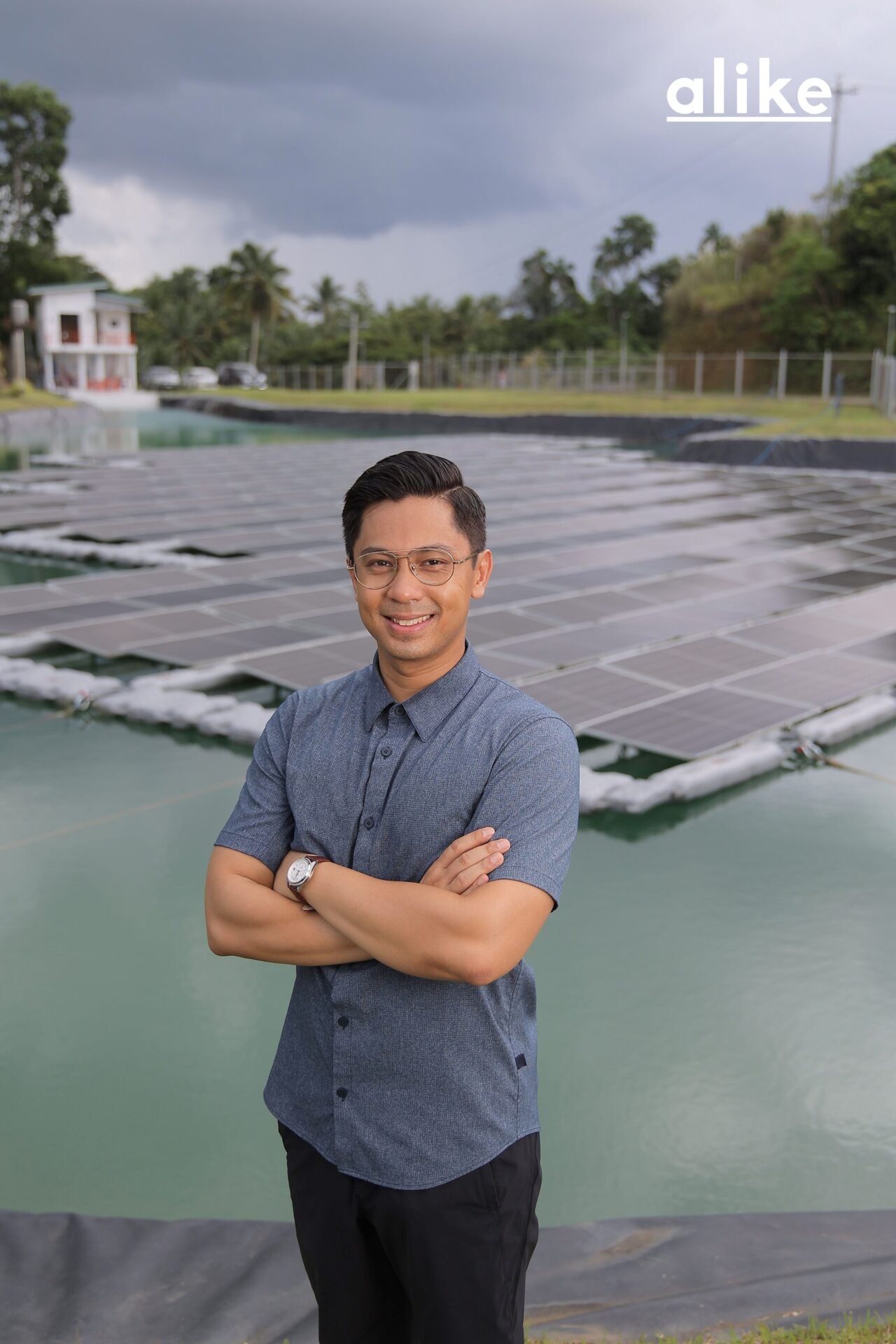
In popular consciousness locally and abroad, the province of Bohol is all about tourism centered around its natural beauty, many Filipino school textbooks mention the province’s various natural wonders as travel bloggers and websites craft content about Bohol and its usual attractions: Panglao island, Loboc river, the Chocolate Hills, what have you.
But as Lim reveals, the province continues to struggle with the basic parts that make up a sustainable tourism destination: clean water supply, sanitation, sewerage and waste-water management. Also, Bohol’s geology is mainly composed of limestone thus limiting the depth of permissible excavations in order to prevent sinkholes.
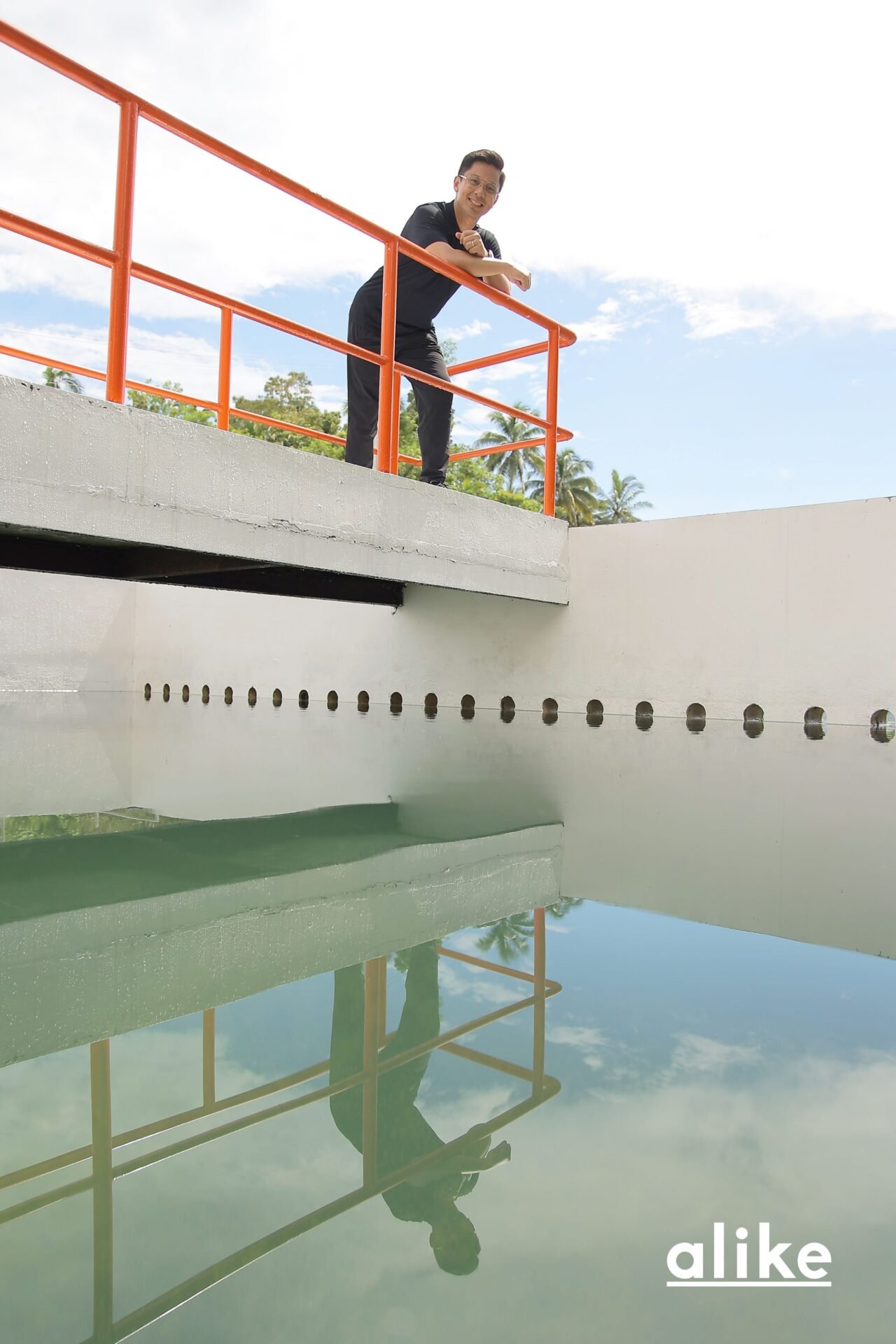
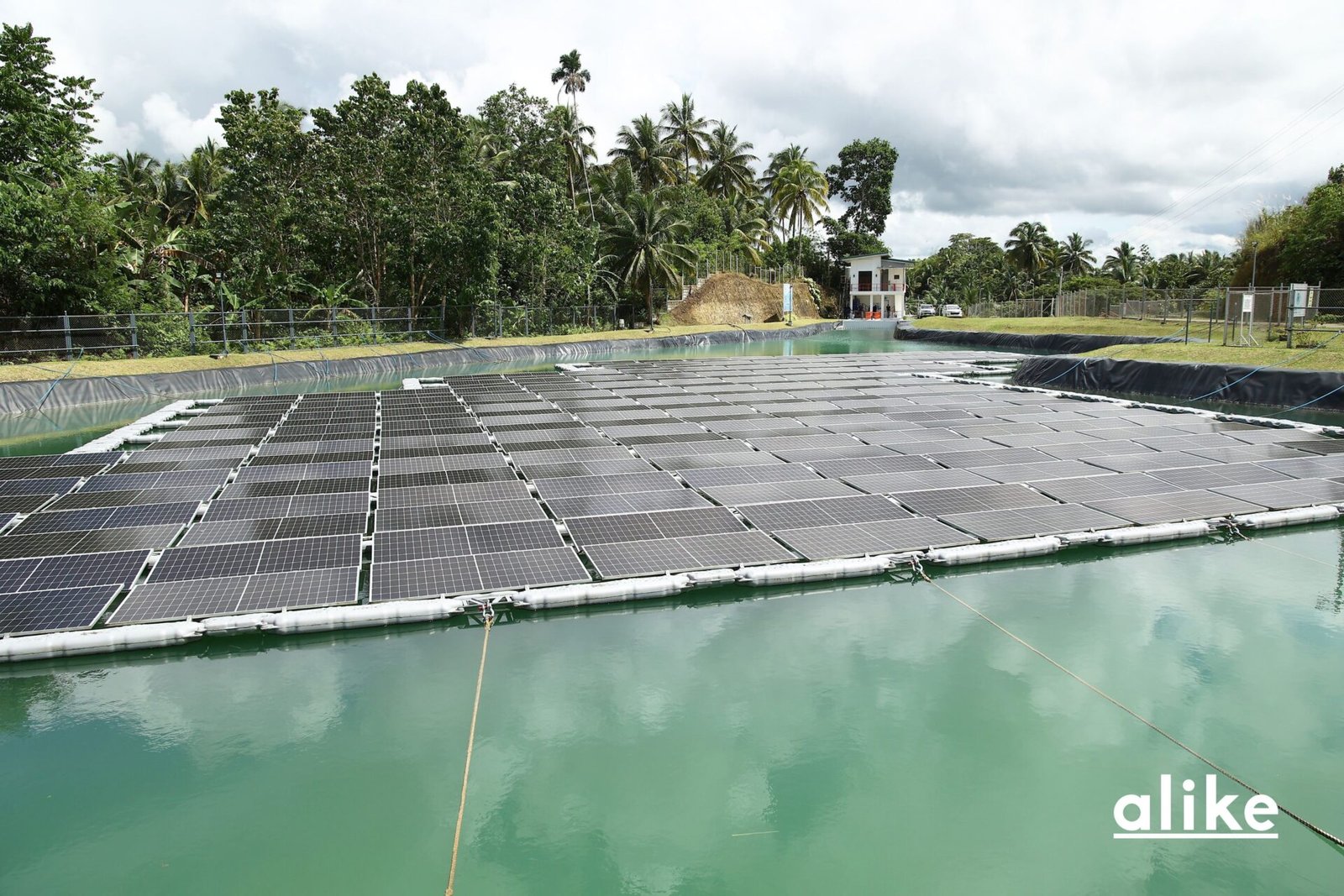
The Lims take pride in that RWI and LWI, “while expensive to start given the high infrastructure investment, we’re thinking long-term” given that “if we wanted easy money, we would have done things the usual way, but if you damage Bohol’s environment, you damage what makes Bohol a paradise in the first place.”
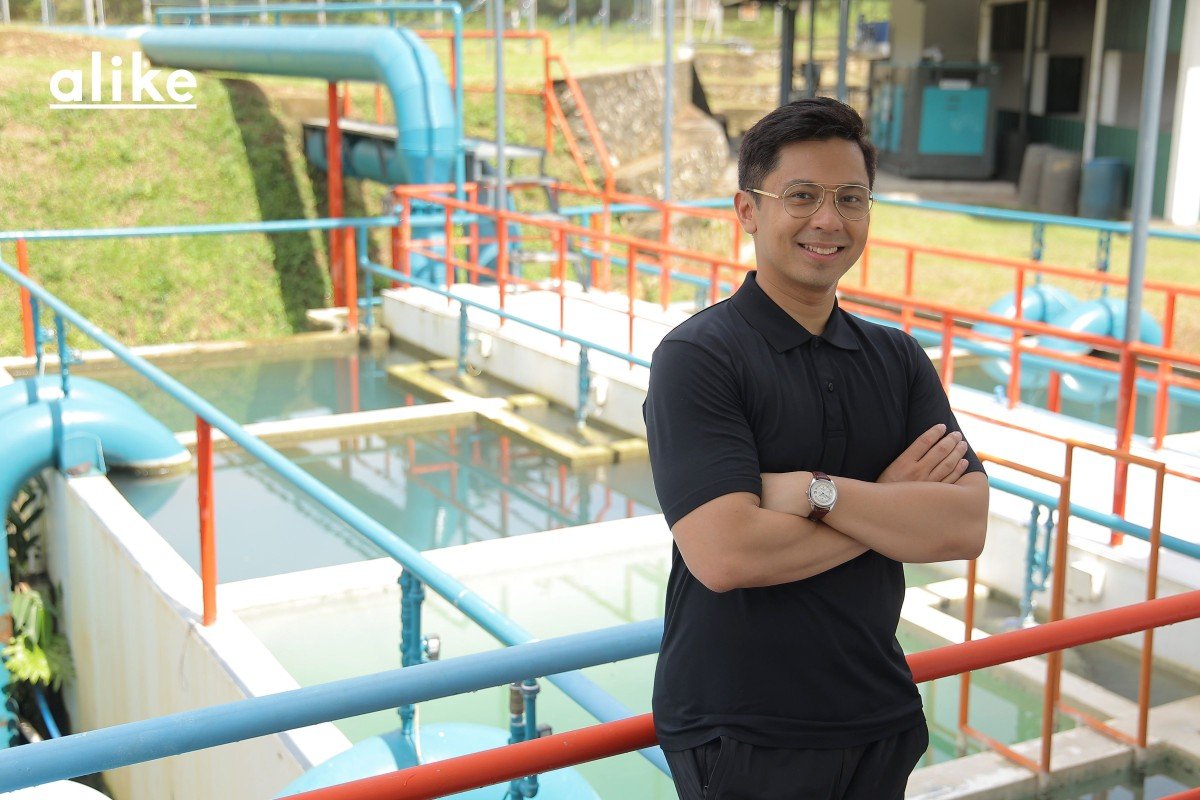
Read more about Ralph Lim’s inspiring journey in the upcoming Alike50 Coffee Table Book, Volume 4: Renaissance. Set to showcase 50 notable personalities from diverse fields of business, governance, and the arts, each story in the book is a testament to vision, perseverance, and excellence—offering readers inspiration to dream and do.
Don’t miss your chance to own a copy and be inspired by the new generation of trailblazers shaping our country.
The book is now available for pre-order at a special intro rate of Php 2,500. Message us at 0947 664 8942 or DM our Instagram (@alikeofficial) to reserve a copy.
Photos by Metrophoto for Brands
Special thanks to Richli Water
Alike was created to inspire, built on society and storytelling — it’s curating the best features of the country’s brightest luminaries, orchestrating events catered towards the country’s top, to showcasing the finest gems in art, lifestyle, and culture.
Alike is the next generation, the movers, the shakers of today.
We are Alike.